


Cascade
A large-scale RNA-seq and proteomics dataset
to resolve the immune response.
Across perturbations and over time.
Connect cellular state to immune response over time
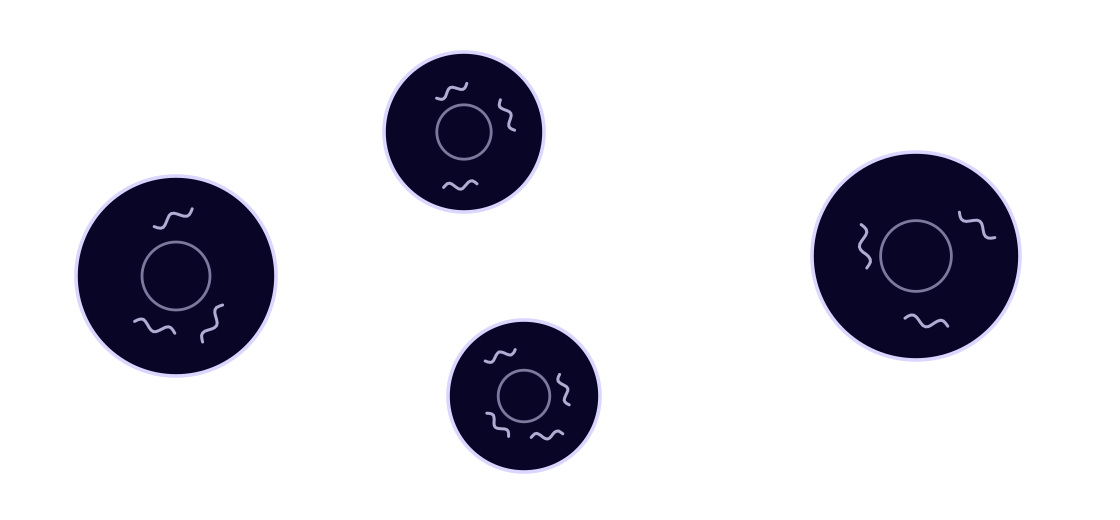
Cytokine and drug perturbations change cellular programs and the proteins released into the surrounding environment. These processes shape how immune responses develop within and between cells.
Yet most large-scale perturbation datasets focus on RNA at a single timepoint, leaving extracellular signaling and how it changes over time largely unmeasured.
Cascade brings these dimensions together, pairing Parse Biosciences' single-cell transcriptomics with Nomic's absolute quantitative secretome proteomics across donors, experimental conditions, and three timepoints.
Study design

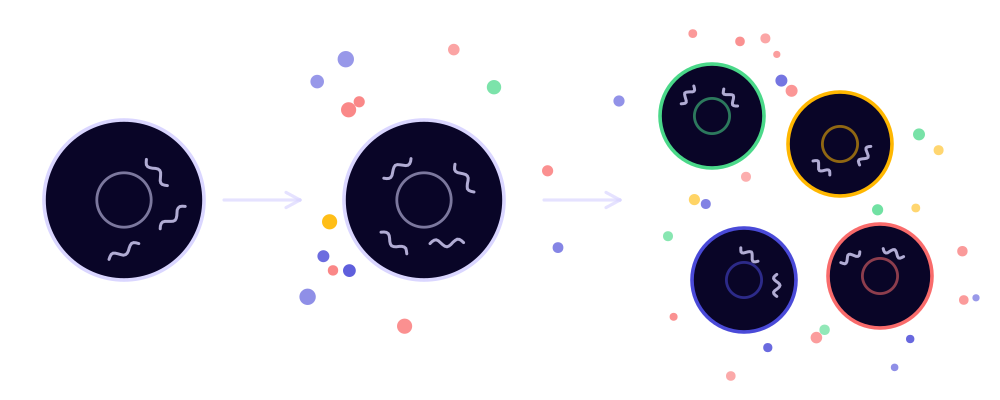
The study was designed to provide breadth and depth across immune signaling pathways and cell types. Perturbations spanned diverse classes of immunomodulatory agents, including cytokines, chemokines, small molecules, and T cell and innate immune activators.
Emergent response
Immune responses emerge from both the molecular state of individual cells and their interactions with one another. Cytokine and drug perturbations influence these processes, shaping how the broader system behaves.

The secretome
The secretome captures a distinct downstream outcome of cellular activity. These secreted proteins mediate communication between immune populations, revealing biological effects that require direct measurement.
Dynamics over time
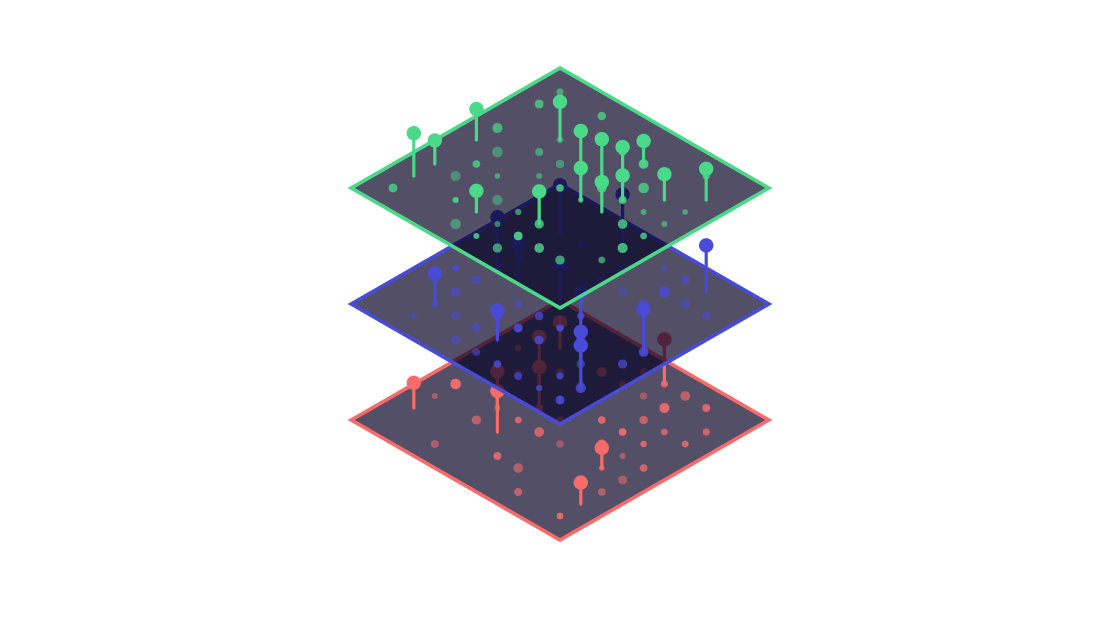
Immune responses are not static. Cellular programs and extracellular signaling evolve as treatments take effect, making measurements across multiple timepoints essential to understanding how these processes unfold.
-

AI Model Development
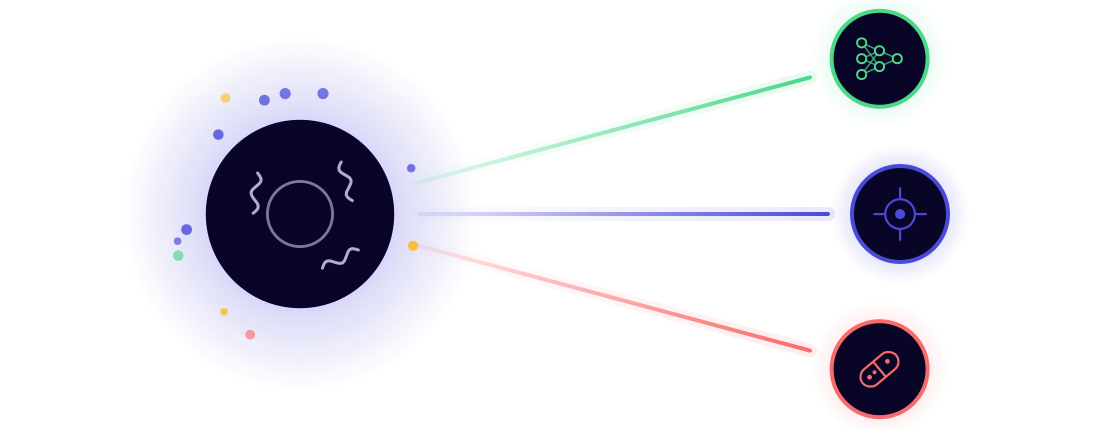
Develop and evaluate predictive models of immune response using matched transcriptomic and quantitative secretome measurements.
-

Target Identification
Explore immune signaling pathways and identify potential drug targets by connecting changes in cellular state with extracellular protein responses.
-

Drug Development
Investigate drug responses and mechanisms of action using a foundational reference of healthy human immune biology.
A foundational dataset to build upon
Cascade provides a foundational reference for healthy human immune response. Nomic’s high-throughput, quantitative secretome proteomics can extend this measurement layer into disease-relevant samples, new perturbations, and additional experimental systems.
These studies can reveal how drug perturbations alter extracellular signaling, identify pathways and potential targets associated with those responses, and compare response patterns across conditions at scale, bringing the biological framework established by Cascade into specific discovery programs.
How to access Cascade
Bring a richer view of immune response to your research
The Cascade dataset is being made available through a data partnership license. Cascade has already attracted foundational partners across biopharma and computational drug discovery. Parse and Nomic continue to welcome additional partners, with licensing available to launch partners through December 11 and to general partners afterward.